Exploring HVAC Service Cost: Factors, Types, Regional Variances, and Cost-Saving Tips
HVAC service cost sets the stage for this informative journey, shedding light on the key factors that influence pricing, the various types of services available, regional cost variations, and practical tips to save on expenses. Let’s delve into the intricacies of HVAC service costs to gain a comprehensive understanding of this essential aspect of home maintenance.

When it comes to determining the cost of HVAC services, several factors come into play that can influence the final price you pay. Understanding these factors can help you better budget for your HVAC maintenance or repair needs.

When it comes to HVAC services, there are various types available to meet different needs. Each type of service comes with its own associated costs, depending on the complexity of the work involved. Let’s explore the typical costs associated with each type of HVAC service and compare pricing differences between routine maintenance, repairs, and installations.
Routine maintenance is essential to keep your HVAC system running efficiently and prevent major breakdowns. Typically, the cost of routine maintenance can range from $100 to $300 per visit, depending on the size of your system and the extent of the service required.
This cost may include tasks such as cleaning, filter replacement, and system diagnostics.
When your HVAC system malfunctions or shows signs of trouble, repairs are necessary to restore its functionality. The cost of HVAC repairs can vary greatly depending on the nature of the problem and the parts needed. Minor repairs may cost anywhere from $150 to $500, while major repairs could exceed $1,000 or more.
It’s important to address repair issues promptly to avoid further damage and higher costs.
If your HVAC system is outdated or beyond repair, you may need to consider a new installation. The cost of HVAC installations can be substantial, ranging from $3,000 to $7,000 or more, depending on the type and size of the system.
Factors such as energy efficiency ratings, brand, and additional features can also impact the overall cost of installation. It’s important to consult with a professional HVAC technician to determine the best system for your home and budget.

When it comes to HVAC service costs, there can be significant variations depending on the region where you are located. Factors such as the cost of living, local demand for HVAC services, and even climate conditions can all play a role in determining the price you might pay for HVAC maintenance or repairs.
In general, urban areas tend to have higher HVAC service costs compared to rural areas. This is often due to higher operating costs for HVAC companies in cities, such as higher rent and labor expenses. Additionally, regions with extreme weather conditions, such as very hot summers or cold winters, may also have higher HVAC service costs due to increased demand for heating and cooling services.
Major metropolitan areas like New York City, San Francisco, and Los Angeles are known for having higher HVAC service costs compared to smaller cities or rural areas. These urban centers have higher overhead costs, wages, and overall demand for HVAC services, leading to higher prices for consumers.
The cost of living in a particular region can greatly influence HVAC service costs. For example, areas with a high cost of living will generally have higher prices for HVAC services to offset the higher wages and operating expenses. Additionally, competition among HVAC companies can also impact prices, with areas that have fewer providers often charging more for their services.

Reducing HVAC service costs is essential for homeowners looking to save money and maintain a comfortable indoor environment. By following these tips, you can lower your expenses and ensure your HVAC system operates efficiently.
One of the most effective ways to reduce HVAC service costs is by scheduling regular maintenance. By having a professional inspect and tune up your system annually, you can catch minor issues before they escalate into costly repairs. This preventive measure not only ensures your HVAC system runs smoothly but also extends its lifespan.
Changing your HVAC system’s air filters regularly is a simple yet crucial step in reducing service costs. Clogged or dirty filters can restrict airflow, causing your system to work harder and consume more energy. By replacing filters every 1-3 months, you can improve efficiency and prevent breakdowns.
Investing in a programmable thermostat can help you reduce HVAC service costs by optimizing your system’s performance. By setting temperatures based on your schedule, you can avoid unnecessary heating or cooling when you’re not at home. This not only saves energy but also reduces wear and tear on your HVAC system.
Leaky ductwork can lead to energy wastage and higher HVAC service costs. By sealing ducts with mastic or foil tape, you can improve airflow and prevent hot or cold air from escaping. This simple fix can enhance your system’s efficiency and reduce the need for frequent repairs.
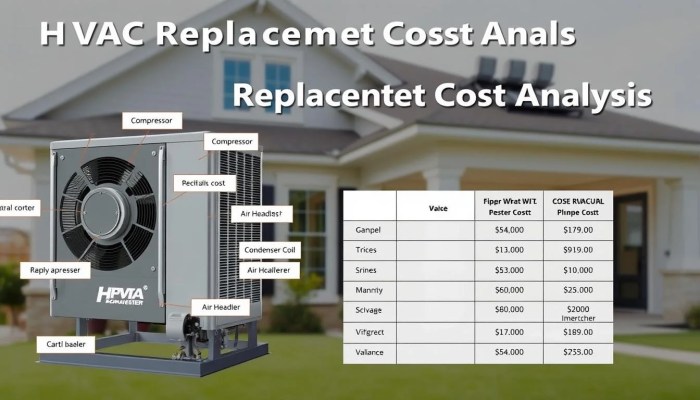
In conclusion, understanding the factors affecting HVAC service costs, the different types of services and their associated expenses, regional disparities in pricing, and effective strategies for reducing costs is crucial for homeowners. By implementing these insights, individuals can make informed decisions regarding HVAC maintenance, ensuring optimal performance while minimizing expenses in the long run.
What are some common factors that influence HVAC service costs?
Factors such as the type of service needed, the complexity of the issue, and the required replacement parts can significantly impact HVAC service costs.
How do regional variations affect HVAC service costs?
Regions with higher costs of living tend to have more expensive HVAC services due to increased overhead expenses for service providers.
What are some strategies to reduce HVAC service costs?
Regular maintenance, timely repairs, and investing in energy-efficient equipment can help lower HVAC service expenses in the long term.