Title: Mastering Siding Hole Repair: A Comprehensive Guide
Siding hole repair is a crucial aspect of maintaining the structural integrity and aesthetic appeal of your home. From understanding the causes of these holes to learning the step-by-step repair process, this guide will equip you with the knowledge and tools needed to tackle this common issue effectively.
Overview of Siding Hole Repair

Siding hole repair involves fixing any holes or damage in the exterior siding of a building to maintain its structural integrity and aesthetics. Timely repair is crucial to prevent further damage and maintain the overall appearance and value of the property.
Common Causes of Holes in Siding
- Impact from objects such as rocks, hail, or branches
- Pest infestations, including woodpeckers, insects, or rodents
- Mold or rot due to moisture buildup
- Improper installation or previous repair work
The Importance of Timely Repair
Timely repair of siding holes is essential to prevent water infiltration, which can lead to mold growth, structural damage, and decreased energy efficiency. Ignoring small holes can result in larger issues that are more costly and time-consuming to fix.
Types of Siding Materials

When it comes to siding materials, there are several options commonly used in construction. Each type of material has its own characteristics that can impact the repair process and overall durability of the siding.
Vinyl Siding
Vinyl siding is a popular choice due to its affordability and low maintenance requirements. It is relatively easy to repair small holes or damage by replacing individual panels. However, vinyl siding can be prone to cracking or fading over time.
Fiber Cement Siding
Fiber cement siding is known for its durability and resistance to rot, fire, and pests. Repairing fiber cement siding may involve patching or replacing damaged sections, which can be more labor-intensive compared to other materials. However, once repaired, fiber cement siding is highly durable.
Wood Siding
Wood siding provides a natural and classic look to a home, but it requires more maintenance to prevent rot or insect damage. Repairing wood siding may involve filling in holes, sanding, and repainting to maintain its appearance and protect it from the elements.
Aluminum Siding
Aluminum siding is lightweight and resistant to rust, making it a durable option for homes. Repairing aluminum siding typically involves replacing damaged panels or sections. While aluminum siding is low maintenance, it may dent easily compared to other materials.
Engineered Wood Siding
Engineered wood siding combines wood fibers and resin to create a more durable and moisture-resistant option compared to traditional wood siding. Repairing engineered wood siding may involve patching or replacing damaged sections to maintain its structural integrity and appearance over time.
Tools and Materials Needed
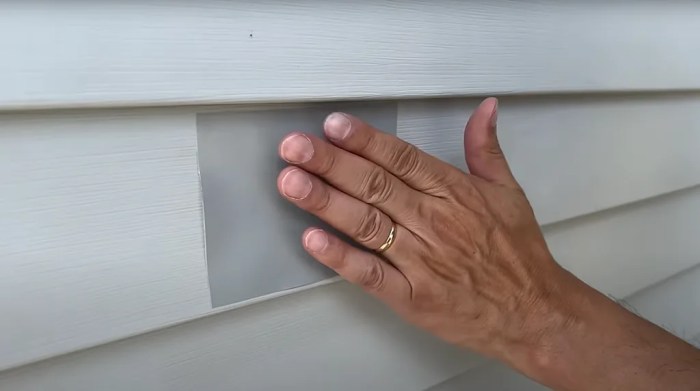
When it comes to repairing siding holes, having the right tools and materials is crucial to ensure a successful outcome. Below is a list of essential tools required for siding hole repair, along with specific materials needed based on the siding type.
Essential Tools:
- Caulk gun: Used to apply sealant or caulk to fill in the holes and gaps in the siding.
- Pry bar: Helps in removing damaged siding pieces without causing further damage.
- Hammer: Used to secure new siding pieces in place.
- Siding nails or screws: Essential for attaching new siding pieces to the exterior wall.
- Tape measure: Ensures accurate measurements for cutting and fitting new siding.
- Saw: Needed for cutting siding materials to the correct size.
- Ladder: Provides access to higher areas for repair work.
Specific Materials Based on Siding Type:
For Vinyl Siding:
- Vinyl siding panels: To replace damaged sections of the siding.
- Vinyl siding J-channel: Used to trim and finish the edges of the siding.
- Vinyl siding corner pieces: For neat and secure corner installations.
- Vinyl siding trim pieces: To cover gaps and edges for a polished look.
For Wood Siding:
- Wood siding boards: Required to replace damaged wooden siding.
- Wood primer and paint: To protect and finish the repaired area.
- Caulk or wood filler: Used to fill in gaps and holes in the wood siding.
Significance of Each Tool:
- The caulk gun ensures a proper seal to prevent water infiltration and further damage.
- The pry bar helps in carefully removing damaged siding without causing additional harm to the surrounding area.
- The hammer and siding nails or screws secure the new siding in place for a durable and long-lasting repair.
- The tape measure ensures precise cuts and fittings, resulting in a professional-looking repair job.
- The saw is essential for cutting siding materials to the exact dimensions needed for a seamless replacement.
- The ladder provides safe access to elevated areas, allowing for thorough repair work to be completed.
Step-by-Step Repair Guide
Repairing a hole in siding can be a straightforward process if done correctly. Follow these steps for a successful repair job.
Step 1: Clean the Area
- Remove any debris, dirt, or loose pieces around the hole using a brush or cloth.
- Ensure the area is dry before proceeding with the repair.
Step 2: Prepare the Siding
- Cut a piece of replacement siding material slightly larger than the hole using a saw or cutting tool.
- Sand the edges of the replacement piece to ensure a smooth fit.
Step 3: Apply Caulk or Adhesive
- Apply a generous amount of caulk or adhesive to the back of the replacement siding piece.
- Press the piece firmly into place over the hole, ensuring it is flush with the surrounding siding.
Step 4: Secure the Siding
- Use nails or screws to secure the replacement piece in place, making sure to drive them into the studs behind the siding for stability.
- Fill any gaps or cracks around the repair with more caulk or adhesive for a seamless finish.
Step 5: Paint or Seal the Repair
- Once the repair is complete, paint or seal the replacement piece to match the color of the existing siding.
- Allow the paint or sealant to dry completely before exposing the repair to the elements.
Tip: Always use siding material that closely matches the color and texture of the existing siding for a professional-looking repair.
Patching Techniques

When it comes to patching siding holes, there are several techniques that can be used to achieve a seamless repair. One important aspect of the patching process is ensuring that the color and texture of the patch match the existing siding to blend in seamlessly.
Matching Colors and Textures
To match colors and textures when patching siding holes, it is essential to start by identifying the type of siding material used on your home. This will help you determine the right color and texture needed for the patch. Some tips for matching colors and textures include:
- Take a sample of the existing siding to the hardware store to find a matching color.
- Consider using paint or stain to blend the patch with the surrounding siding.
- Use a texture roller or brush to mimic the texture of the existing siding.
Blending Patches with Existing Siding
When blending patches with existing siding, it is important to follow these tips to ensure a seamless repair:
- Apply the patch material evenly to create a smooth surface.
- Feather the edges of the patch to blend it with the surrounding siding.
- Allow the patch to dry completely before painting or staining to match the color of the existing siding.
Preventive Measures

Preventing future siding damage is essential to maintaining the integrity and appearance of your home. By following some preventive measures and regular maintenance practices, you can prolong the lifespan of your siding and avoid costly repairs.
Regular Inspection
Regularly inspecting your siding for any signs of damage or wear and tear is crucial in identifying potential issues early on. Look for cracks, holes, warping, or discoloration that may indicate underlying problems.
Maintain Proper Drainage
Ensure that your gutters are clear of debris and properly functioning to prevent water from accumulating and causing damage to your siding. Proper drainage can help avoid water infiltration and mold growth.
Trim Trees and Bushes
Trimming trees and bushes near your home can prevent branches from scratching or damaging the siding. Overgrown vegetation can also trap moisture against the siding, leading to deterioration over time.
Seal Gaps and Caulk Joints
Regularly inspect and seal any gaps or joints in your siding to prevent water infiltration. Use a high-quality caulk to seal around windows, doors, and other openings to maintain the integrity of your siding.
Protect Siding from Harsh Elements
Protect your siding from harsh elements such as extreme heat, cold, or strong winds by applying a protective sealant or paint. This can help prolong the lifespan of your siding and prevent damage from environmental factors.
Last Recap

In conclusion, mastering siding hole repair not only enhances the appearance of your home but also ensures its protection against elements. By following the preventive measures and utilizing the patching techniques discussed, you can prolong the lifespan of your siding and keep it looking pristine for years to come.
FAQ Section
What are the common causes of holes in siding?
Holes in siding can be caused by pests, weather damage, or improper installation.
What tools are essential for siding hole repair?
Essential tools include a hammer, nails, siding patches, and a caulking gun.
How can I prevent future siding damage?
Regularly inspecting your siding, addressing issues promptly, and maintaining proper drainage around your home can help prevent future damage.