Exploring the Benefits of Insulated Vinyl Siding
Introducing the world of insulated vinyl siding, a versatile option that combines practicality with style. From energy efficiency to design options, this material offers a range of advantages for homeowners looking to enhance their property.
Delving deeper into the specifics, we uncover the installation process, energy-saving capabilities, maintenance requirements, and design possibilities of insulated vinyl siding. Whether you're a DIY enthusiast or a homeowner seeking long-term solutions, this comprehensive guide has you covered.
Introduction to Insulated Vinyl Siding

Insulated vinyl siding is a type of exterior cladding that combines the durability and low maintenance of traditional vinyl siding with added insulation properties.
There are several benefits to using insulated vinyl siding, including improved energy efficiency in homes, reduced heating and cooling costs, increased comfort levels, and enhanced noise reduction.
Construction of Insulated Vinyl Siding Panels
Insulated vinyl siding panels typically consist of a layer of vinyl material on the outside for protection against the elements, a layer of foam insulation in the middle for added thermal resistance, and a backing material on the inside for structural support.
Installation Process

When it comes to installing insulated vinyl siding, there are several key steps that need to be followed to ensure a successful outcome. From preparation to finishing touches, each phase plays a crucial role in the overall installation process.
Preparation
- Measure the area: Take accurate measurements of the walls where the siding will be installed to ensure you have the right amount of materials.
- Clean the surface: Remove any existing siding, debris, or dirt from the walls to create a smooth and clean surface for installation.
- Inspect for damage: Check for any structural damage or issues that need to be addressed before proceeding with the installation.
Installation
- Secure the underlayment: Install a moisture barrier or underlayment to protect the walls and provide insulation.
- Cut and fit the siding: Measure, cut, and fit the vinyl siding panels according to the wall dimensions, ensuring a proper fit.
- Attach the siding: Use nails or screws to secure the siding panels to the walls, following the manufacturer's guidelines for spacing and placement.
Finishing Touches
- Trim and accessories: Install trim pieces, corner posts, and other accessories to complete the look and ensure a clean finish.
- Caulk and seal: Seal any gaps or joints with caulk to prevent water infiltration and improve insulation.
- Clean up: Remove any debris or excess materials from the installation site to leave a tidy and polished appearance.
Energy Efficiency

Insulated vinyl siding plays a crucial role in improving the energy efficiency of homes by providing an extra layer of insulation that helps regulate indoor temperatures more effectively. This can lead to reduced energy consumption and lower utility bills.
Comparison to Traditional Siding Materials
- Insulated vinyl siding outperforms traditional siding materials like wood or aluminum in terms of energy efficiency due to its added insulation properties.
- Unlike wood or aluminum siding, insulated vinyl siding helps prevent heat loss during the winter and heat gain during the summer, resulting in a more comfortable and energy-efficient home.
Reduced Heating and Cooling Costs
- By reducing the transfer of heat through walls, insulated vinyl siding can help homeowners save on heating and cooling costs throughout the year.
- Insulated vinyl siding minimizes the need for constant adjustments to the thermostat, leading to more consistent indoor temperatures and lower energy bills.
- Studies have shown that homes with insulated vinyl siding can experience up to a 20% reduction in energy usage for heating and cooling compared to those with traditional siding materials.
Maintenance and Durability

Insulated vinyl siding is known for its low maintenance requirements and high durability, making it a popular choice for homeowners looking for a long-lasting siding option.
Maintenance Requirements
- Regular cleaning with a hose or pressure washer can help prevent dirt and grime buildup on the surface of insulated vinyl siding.
- Inspecting for any cracks, chips, or damage is important to address any issues promptly and prevent further damage.
- Avoid using harsh chemicals or abrasive cleaners that can damage the surface of the siding.
Durability Comparison
Insulated vinyl siding is more durable compared to traditional vinyl siding, offering better resistance to impact, extreme temperatures, and fading over time. It also requires less maintenance compared to wood or metal siding options.
Tips for Extending Lifespan
- Regularly inspect the siding for any signs of damage and address them promptly to prevent further deterioration.
- Avoid hanging heavy objects on the siding to prevent damage or warping.
- Trim any nearby trees or bushes to prevent branches from scratching or damaging the siding.
- Consider adding a protective coating to the siding to enhance its resistance to fading and damage over time.
Design Options
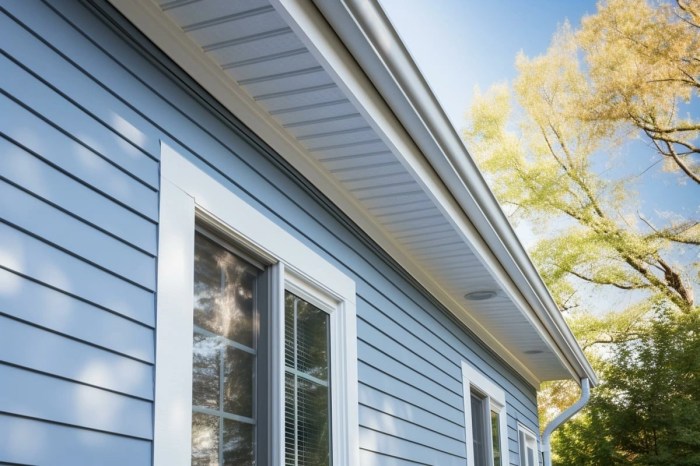
Insulated vinyl siding offers a wide range of design options to suit various preferences and architectural styles. Whether you prefer a classic or modern look, there is a design to complement your home's aesthetic.
Mimicking Traditional Materials
Insulated vinyl siding is known for its ability to mimic the look of traditional materials such as wood or stone. This allows homeowners to achieve the desired aesthetic without the maintenance requirements and costs associated with these materials.
Choosing the Right Color and Style
When selecting the color and style of insulated vinyl siding, it is important to consider the architectural style of your home. For a more traditional look, earth tones and subtle textures may be preferred, while bold colors and modern profiles can enhance a contemporary home.
It is recommended to consult with a professional to ensure the chosen design complements the overall look of your home seamlessly.
Closure

In conclusion, insulated vinyl siding emerges as a top choice for those prioritizing efficiency, durability, and aesthetics in their home exteriors. With its array of benefits and customization options, this material stands out as a reliable and attractive investment for any property.
Questions Often Asked
What are the maintenance requirements for insulated vinyl siding?
Maintenance for insulated vinyl siding is minimal, typically requiring occasional cleaning with a mild detergent and water to maintain its appearance.
How does insulated vinyl siding improve energy efficiency?
Insulated vinyl siding acts as a barrier against heat loss, reducing the workload on heating and cooling systems, thus lowering energy costs.
Can insulated vinyl siding mimic the look of traditional materials?
Yes, insulated vinyl siding comes in a variety of textures and finishes that can closely resemble traditional materials like wood or stone.